Insights from IIOE's Industry-Oriented Learning Initiatives
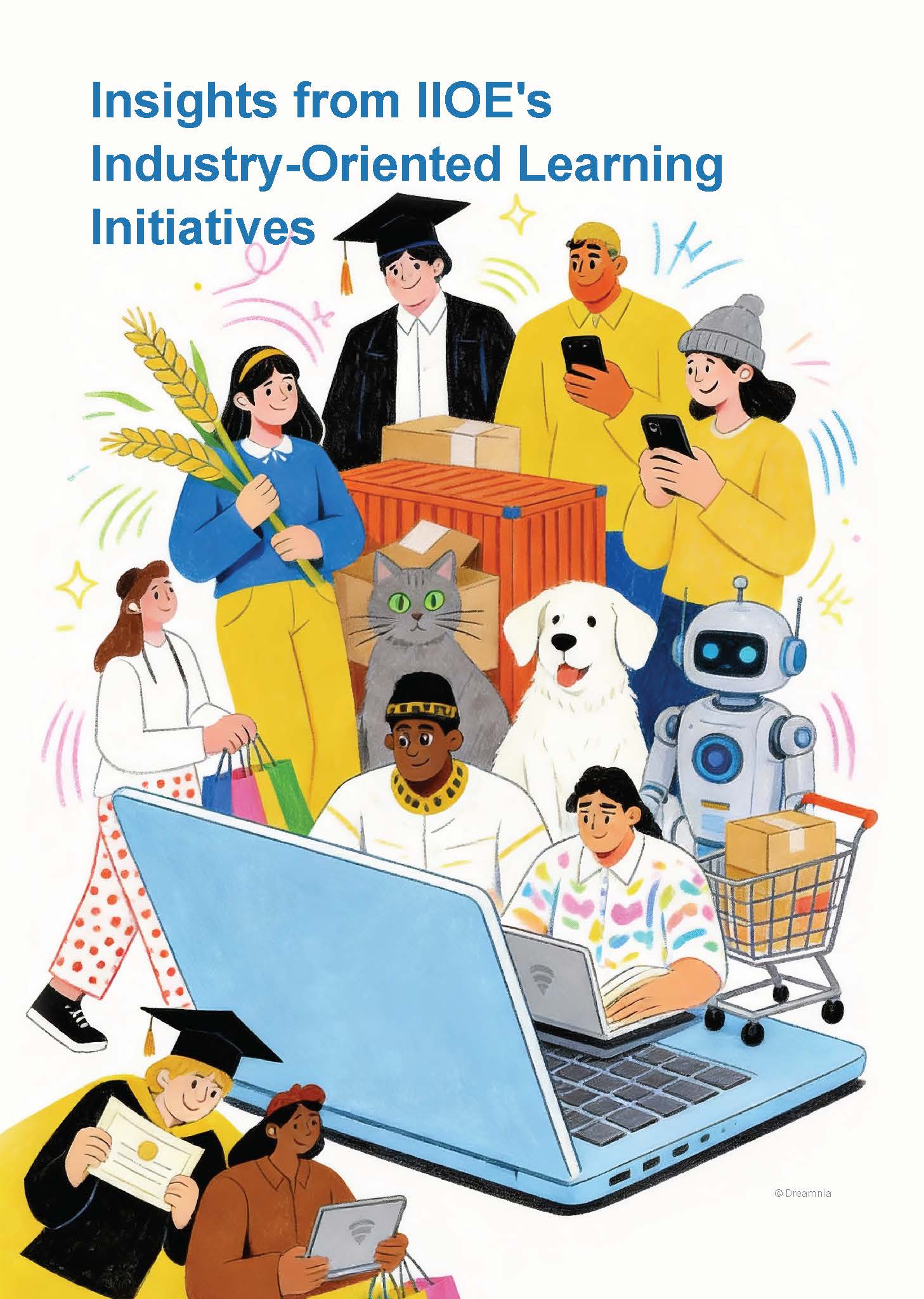
In working alongside universities, vocational colleges, businesses, and public institutions, the International Institute of Online Education (IIOE) has increasingly found itself returning to a simple but pressing question: how can learning keep pace with industrial transformation? For higher education institutions (HEIs), the challenge is tangible:can curricula be updated quickly enough, and are teaching staff equipped to deliver new skills? For educators, the questions are more immediate: whether to learn, what to learn, and how to meaningfully integrate AI into teaching. For students, the concern is more direct still: will what I am learning today still matter tomorrow?
The deeper driving force stems from industry. Digitalisation and AI technologies are accelerating changes in work practices, calling for a more profound educational response, specifically the cultivation of composite competencies that integrate technology into industrial processes, support decision-making, and create value within workplace scenarios.
Grounded in a close reading of both higher education systems and labour market demands and shaped by long-term engagement with partner institutions, IIOE has sought to bring AI into higher education through collaboration between universities, industry, and research. Since 2025, this has led to a clearer focus on "AI + Industry", with micro-certifications as a key vehicle. Through this approach, IIOE has worked to deepen localised models of curriculum development, capacity-building, and training, gradually connecting the pathways between learning, certification, and employment.
The Evolution of the Curriculum System
In response to the needs of partner institutions, IIOE developed a series of micro-certification courses, including "Digital Skills for Teachers" and "Generative AI for Higher Education Professionals", prior to launching the "AI + Industry" series. At the time, these initiatives were centred on a more immediate question: how to support university teachers in understanding and applying ICT and the fundamentals of generative AI within their teaching practice.
Looking towards future educational trends, IIOE has established a leading layout by launching "AI + Discipline" micro-certification courses. These include "AI + Medicine" and "AI + Education" developed in collaboration with the iMED team from Southern University of Science and Technology, as well as planned courses in "AI + Agriculture", "AI + FinTech", and "AI + Clean Energy".
What, then, sets "AI + Industry" micro-certifications apart? They signal a shift in both direction and perspective: from a focus on academic disciplines to the realities of industry, and from organising knowledge to understanding workflows and the skills required for specific roles. In doing so, they mark an extension of IIOE's course ecosystem beyond the educational sphere into the world of work, distinguishing themselves from earlier offerings in several important respects.
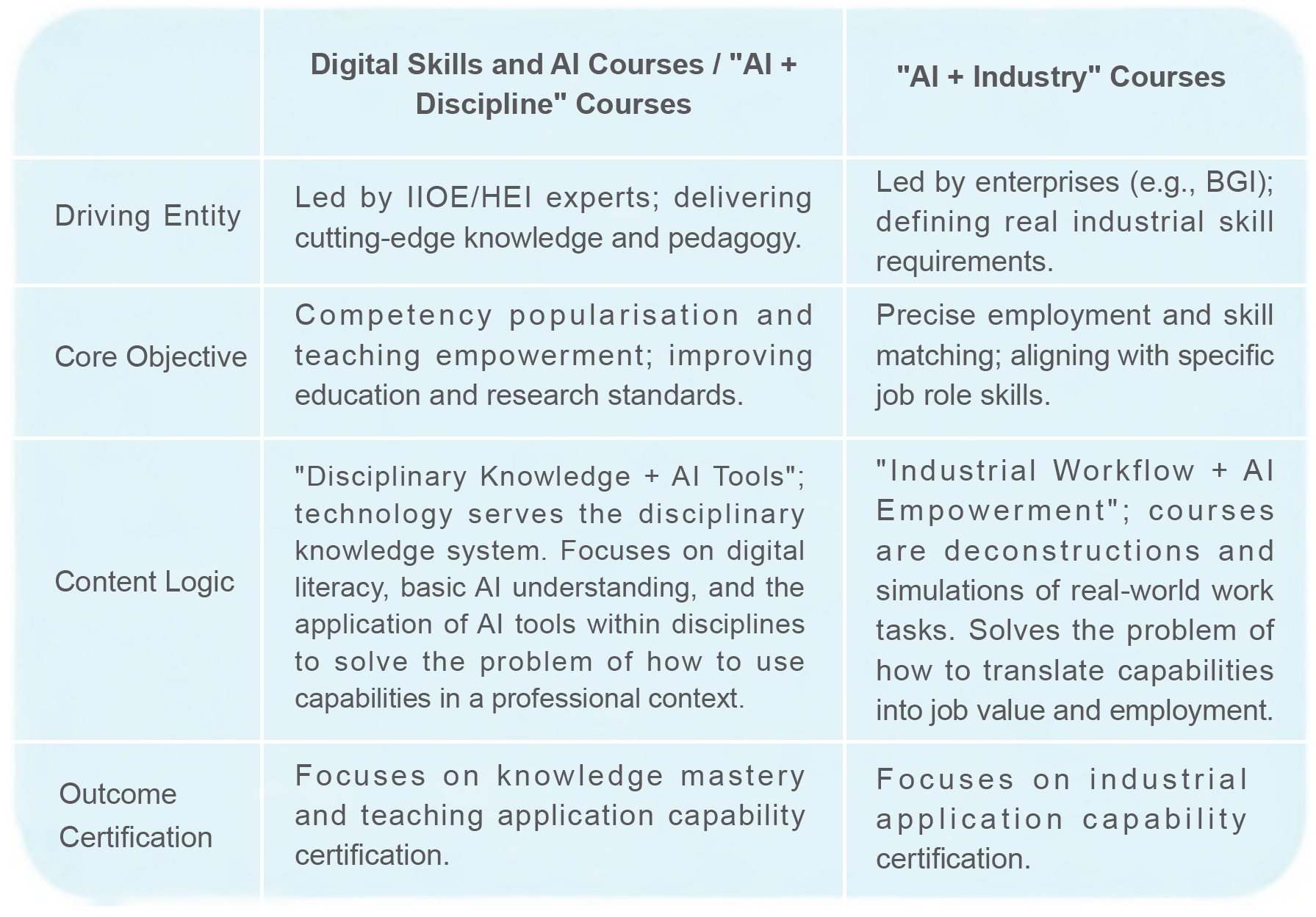
One of the most distinctive features of this approach lies in the depth of industry involvement in course design. Rather than simply identifying which skills should be taught, the courses begin with real-world industrial contexts and job requirements, asking how skills are actually applied in practice, and how they can be developed into capabilities that translate directly into workplace value. In this process, IIOE's role has also evolved, creating a mechanism through which universities and companies work together to define what those skills should be.
Currently, IIOE has co-developed "AI + Life Science" with BGI Group, co-created "AI + Health" with International Leading Education Alliance (ILEA), and collaborated with the China Association of Trade in Services (CATIS) and other institutions to develop the "AI + Cross-Border E-Commerce" curriculum system. On 15 January 2026, IIOE officially launched its first set of "AI + Cross-Border E-Commerce" micro-certifications, initially aimed at university leaders and teaching staff worldwide. These early offerings are designed to lay the pedagogical and operational groundwork for a broader rollout, with student-focused courses to follow throughout 2026.
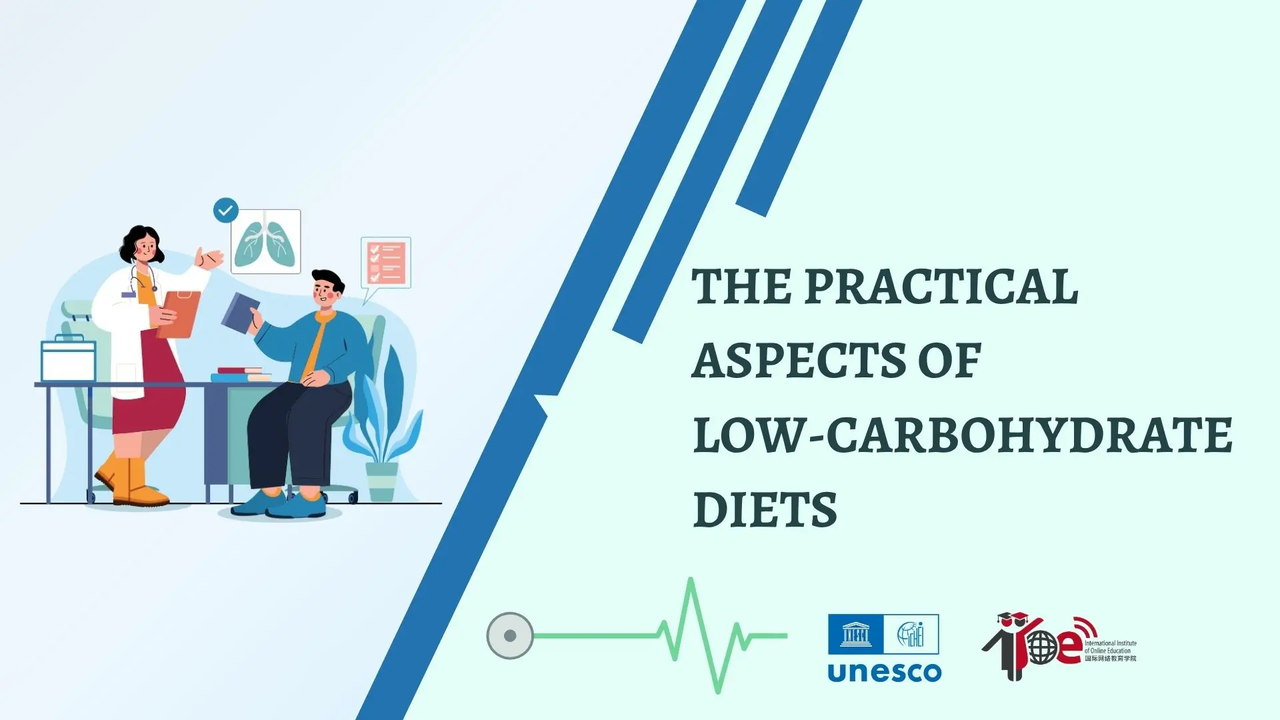
"AI + Health" series course, developed in collaboration with ILEA in Singapore, offers the "Healthy Lifestyle Coach Certification," focusing on exercise, sleep, and nutrition.
What do we mean when we talk about "AI+"?
Artificial intelligence is fast becoming the underlying logic of many industrial workflows. From gene-sequence analysis in the life sciences to product selection and marketing in cross-border e-commerce, it is reshaping the skills that different roles now demand. "AI+Industry" micro-certifications, therefore, are not simply existing courses with a new prefix attached. Rather, they embody a different learning logic—one in which curricula evolve alongside industry, continually adapting and renewing themselves. At their core, these programmes function as a living catalogue of industry-relevant capabilities, designed for lifelong learning.
Enterprises as Co-designers of the Curriculum
Taking the "AI + Life Sciences" course in collaboration with BGI as an example, it originates from BGI's actual business scenarios and the demand for talent who are proficient in biotechnology and can master intelligent and automated technologies. The course content covers a complete system from basic theory to cutting-edge applications, ensuring that students can apply what they learn immediately.
The curriculum design is comprehensive and practical, with a focus on cultivating data insight, AI scenario application capabilities, and a spirit of cross-disciplinary and cross-role collaboration. The theoretical modules guide learners to gradually build a cognitive framework for research and industrial scenarios: how to use multi-omics and single-cell technologies to understand living systems, how to process data and make judgements in intelligent laboratory environments, and how to apply these capabilities to health management, agricultural ecology, material design, and even brain science. The courses deliberately retain a cross-disciplinary perspective, emphasising that the value of capabilities often arises at the intersection of disciplines and practical problems.
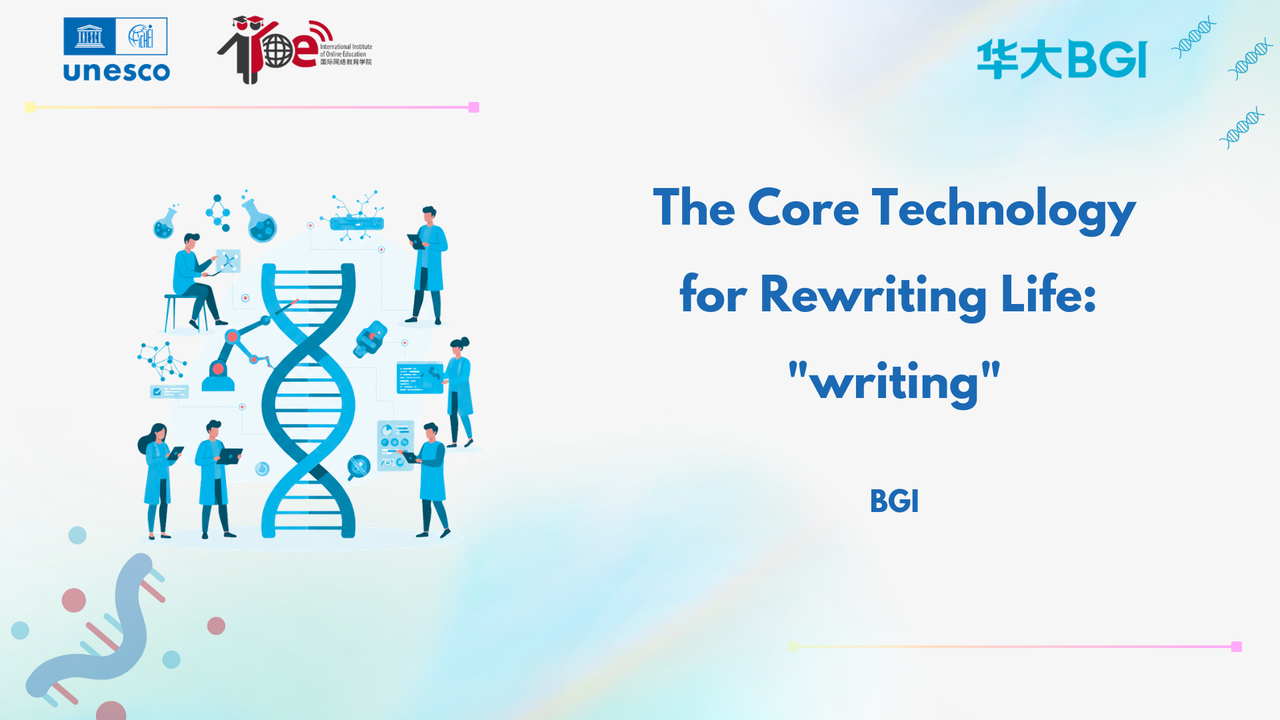
IIOE "AI + Life Sciences" Course
The curriculum also includes practical modules where students are guided to personally disassemble and assemble sequencing instruments, operate data platforms, and collect personalised health data. This further narrows the distance between learning and work; by interacting with equipment, operating platforms, and handling data, learners better understand the requirements for accuracy, collaboration, and standardisation in an industrial environment.
Developing "AI + Industry" courses is, by nature, a collaborative process between universities, industry, and research institutions.
In this model, industry plays a leading role in defining needs and shaping real-world contexts, while academia contributes its strengths in curriculum design and the structuring of knowledge. In developing the "AI + Cross-Border E-Commerce" programme, for example, organisations such as CATIS and the China Cross-border E-commerce 50 Forum worked closely with universities, including Hangzhou Normal University's Alibaba Business School, Xi'an International Studies University, and Shanghai University of International Business and Economics, alongside a range of domestic and international companies. Together, they have created a curriculum that is both grounded in industry realities and viable within an educational setting.
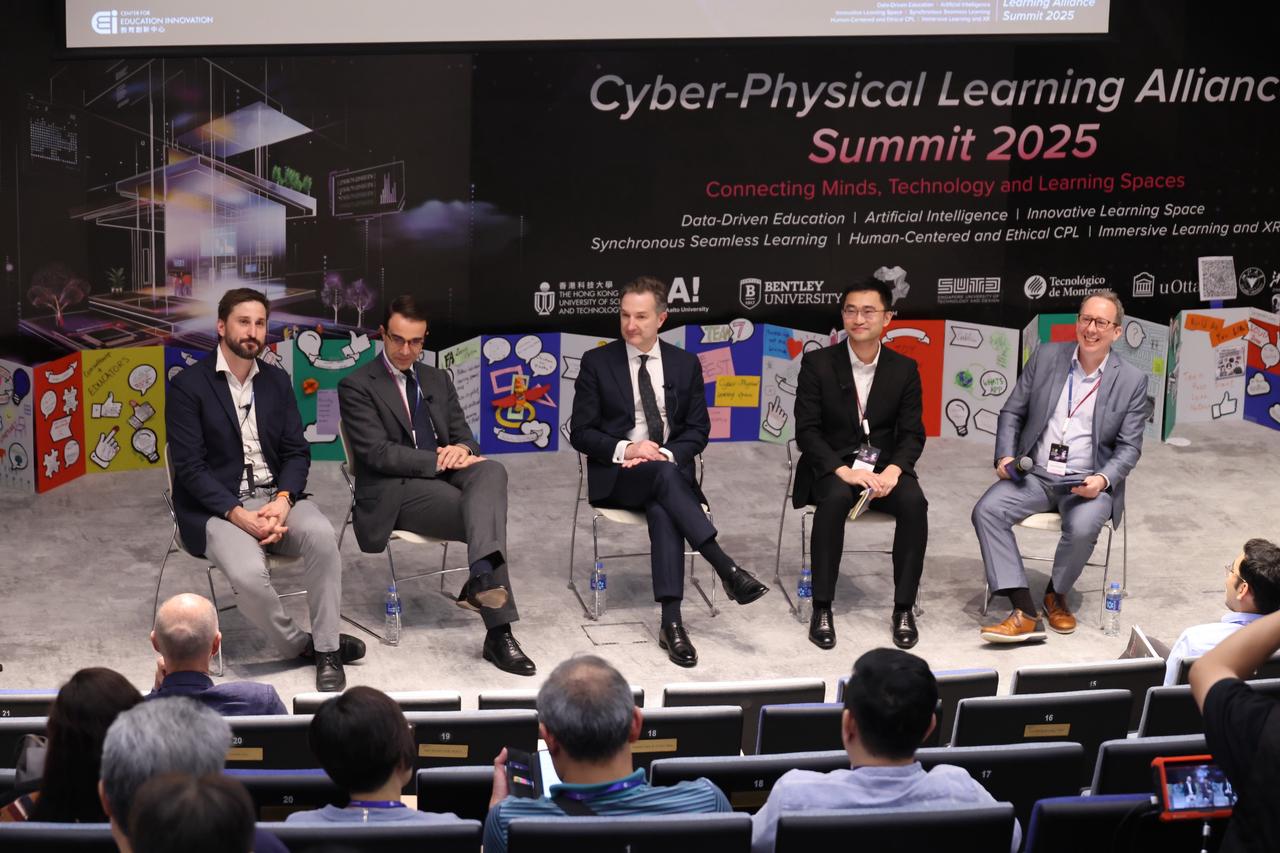
UNESCO-ICHEI at the 2nd Cyber-Physical Learning Alliance Summit (CPLAS 2025)
Global Delivery, Local Adaptation
Once a course has been developed, a more difficult question follows: how can it truly take root among universities and learners?
Drawing on a global network of over 150 partner institutions, IIOE is able to pilot its courses across countries, refining them through practice and feedback. Yet scale alone is not the point. Partner institutions are encouraged to reshape them in line with local industrial structures, skills needs, and even teaching traditions and cultural contexts. It is an approach that is rarely achievable on purely commercial online platforms.
At its heart lies a simple intention: to nurture talent that can stay, contribute, and grow within local economies. In this way, learning becomes not just a way for individual advancement, but a means of supporting communities and national development, turning global collaboration into a longer-term exchange grounded in mutual understanding and respect.
A New Ecosystem
Across the world, a growing number of educators and industry experts are turning to online platforms to develop courses that are closely aligned with real-world practice, translating their professional experience into more open and accessible forms of learning. Courses in areas such as digital marketing and AI have become especially prominent, expanding where and how learning takes place, and allowing learners to engage more directly with an ever-changing world of work. It is in this context that flexible, open micro-credentials are increasingly seen as a bridge between education and employment.
Meanwhile, many countries, including China, are promoting policies for higher education to strengthen vocational training and technical skill cultivation. Enterprises in fields such as AI and FinTech are engaging in closer cooperation with HEIs to explore curriculum forms that are more aligned with actual needs. IIOE continues to advance curriculum innovation, hoping to jointly build a learning ecosystem with global partners that can better respond to the changes of the era.
IIOE is stepping into a more mature stage of its ecosystem's development.
In 2026, IIOE plans to explore more "AI + Industry" courses. As a global digital education platform, its role, influence, and ecological value are evolving. At this stage, the curriculum becomes a public tool to respond to the AI development agendas and industrial transformations of Global South. By cultivating future-oriented industrial talent, education can translate its long-term value into real capabilities that drive inclusive and sustainable growth.
- The Evolution of Agritechnology Education in Malaysia: Lifelong Learning Pathways, Government Support, Linkages to SDGs
- Learning Across Boundaries: Designing IIOE AI + Cross-Border E-Commerce Micro-Certification Course
- Insights from IIOE's Industry-Oriented Learning Initiatives
- When Trade Begins to Think: New Possibilities in Emerging Markets
- Growth is Here: Are Skills Ready?
- Digital Intelligence, Talent as the Bridge: Opening a More Inclusive Future for Global Digital Trade