The Evolution of Agritechnology Education in Malaysia: Lifelong Learning Pathways, Government Support, Linkages to SDGs
Over the past three decades, agriculture has evolved from largely labour-intensive practices into an industry increasingly shaped by information and communication technologies and data-driven systems.
This transformation has been especially evident in Southeast Asia, including Malaysia, where digital tools, automation, and analytics are progressively embedded in agricultural production and management processes [1][2]. Within this context, Malaysia has established a coherent policy framework that positions agritechnology as both a strategic economic priority and a critical educational concern. Key national policies, including the Malaysia Education Blueprint 2013–2025, the National Agrofood Policy 2.0 for 2021–2030, and the National TVET Policy 2030, emphasise the need to develop a skilled workforce capable of integrating technological innovation with agricultural practice. Together, these policies underscore the importance of coordinated efforts across education, industry, and government sectors to address the complex demands of agritech development [3][4][5].

This study examines five interrelated policy and research questions that frame the development of agritechnology education in Malaysia. First, it investigates how agritechnology has been incorporated into formal education systems at both the primary and tertiary levels. Second, it explores the educational, economic, and social benefits that agritech education can provide for learners across different age groups, including youth and adult populations. Third, it analyses government-supported lifelong learning initiatives related to agriculture and agritechnology, with particular attention to how agritech may function as a sustained learning pathway across the life course. Fourth, it examines the alignment between agritech education and key Sustainable Development Goals, specifically SDG 4 on quality education, SDG 1 on poverty reduction, and SDG 8 on decent work and economic growth. Finally, the study considers the role of UNESCO in advancing agritech education and lifelong learning agendas within Malaysia and the broader ASEAN region. The analysis draws on policy documents, programme fact sheets, industry initiatives, and relevant academic literature published between 2010 and 2025.
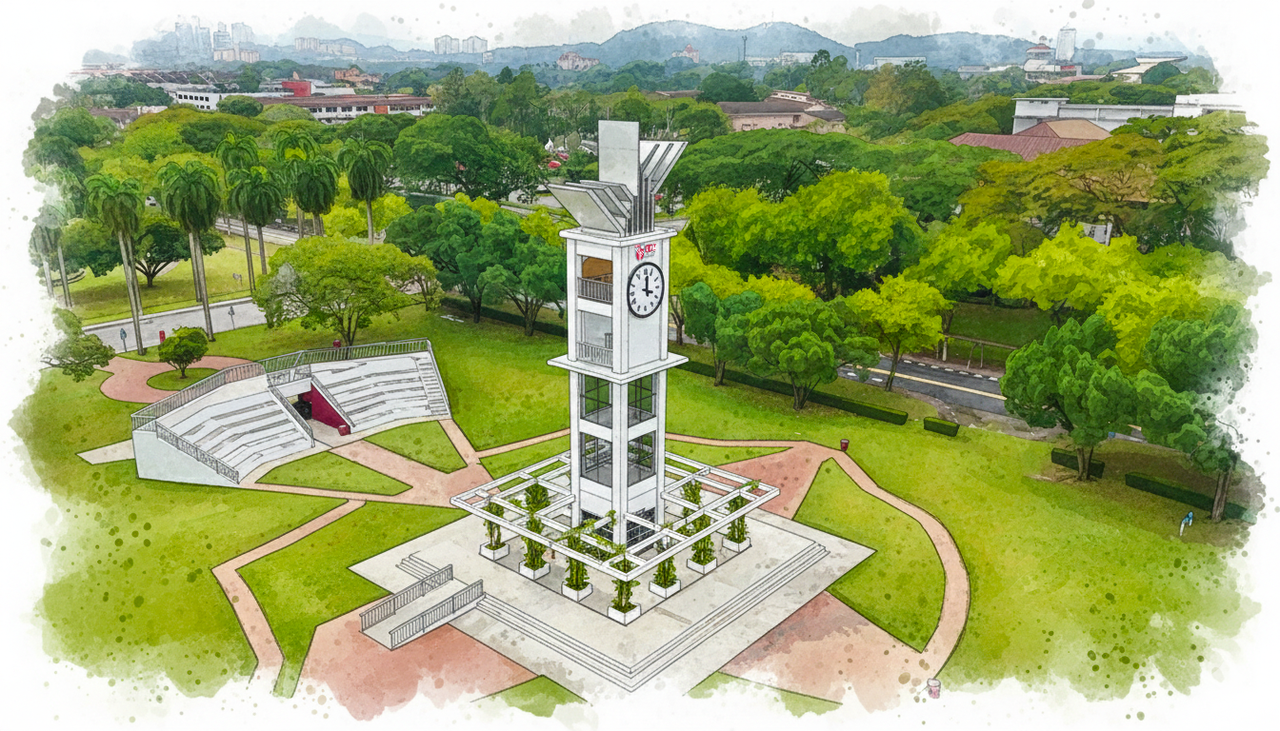
UPM Campus
Agritechnology in Malaysian Education
To situate the discussion of agritechnology implementation within Malaysia's education system, it is necessary to first clarify the policy and structural conditions that have shaped its gradual institutionalisation. The integration of agritech has not occurred as an isolated curricular reform but rather as part of a broader transformation of agricultural education in response to economic restructuring, technological advancement, and shifting workforce demands. Against this backdrop, the following subsection traces the historical progression of agricultural education in Malaysia and explains the rationale for the subsequent incorporation of agritechnology into formal educational pathways.
Historical Progression and Justification
Agricultural education in Malaysia traces its origins to British colonial administration in Malaya, where formal and informal training programmes were developed to transmit scientific agricultural knowledge and support plantation and peasant farming practices. These programmes included elementary and intermediate agricultural instruction designed to improve cultivation methods and support colonial agricultural objectives [6]. After independence, the expansion of agricultural education in Malaysia was closely linked to broader rural development and extension services that supported farming communities and rural schools. Early post-independence development plans prioritised rural welfare and infrastructure, including education and rural extension services, in order to improve livelihoods and agricultural productivity.
Over time, and particularly from the late 1990s onward, national development strategies began to emphasise the role of innovation, technology adoption, and knowledge accumulation as key drivers of economic transformation. Later national development planning documents, such as the Twelfth Malaysia Plan 2021–2025, explicitly highlight the integration of technology in agricultural and rural development, reflecting a shift toward a knowledge-based agricultural agenda [3][7]. The amalgamation of national education reforms, focusing on STEM and TVET, with agrofood policy, prioritising smart agriculture, established an institutional framework for the incorporation of agritech into curricula and training paths.
Over the past three decades, Malaysia's agricultural education has increasingly shifted from production-oriented training toward a human capital and skills-based model that supports modernisation and technology adoption in the agrofood sector. A notable trend has been the consolidation of competency-based training through national occupational standards and skills certification, which strengthened the portability of qualifications and enabled more structured progression across TVET pathways [8]. In parallel, national development planning has expanded and repositioned TVET as a strategic lever for raising the share of skilled workers, with growth in training institutions and stronger emphasis on industry relevance and employability outcomes [9].
More recently, agrofood policy has explicitly framed the sector's future competitiveness around high technology and smart farming, reinforcing demand for curricula that integrate digital monitoring, automation, and data-oriented decision-making. This policy direction has intensified pressure on education providers to align agricultural programmes with new skill profiles and lifelong upskilling needs across the agrofood value chain [10] (Figure 1). Against this historical and policy backdrop, the integration of agritechnology has progressively moved from national-level strategies into concrete educational practices, beginning with its introduction at the school level.
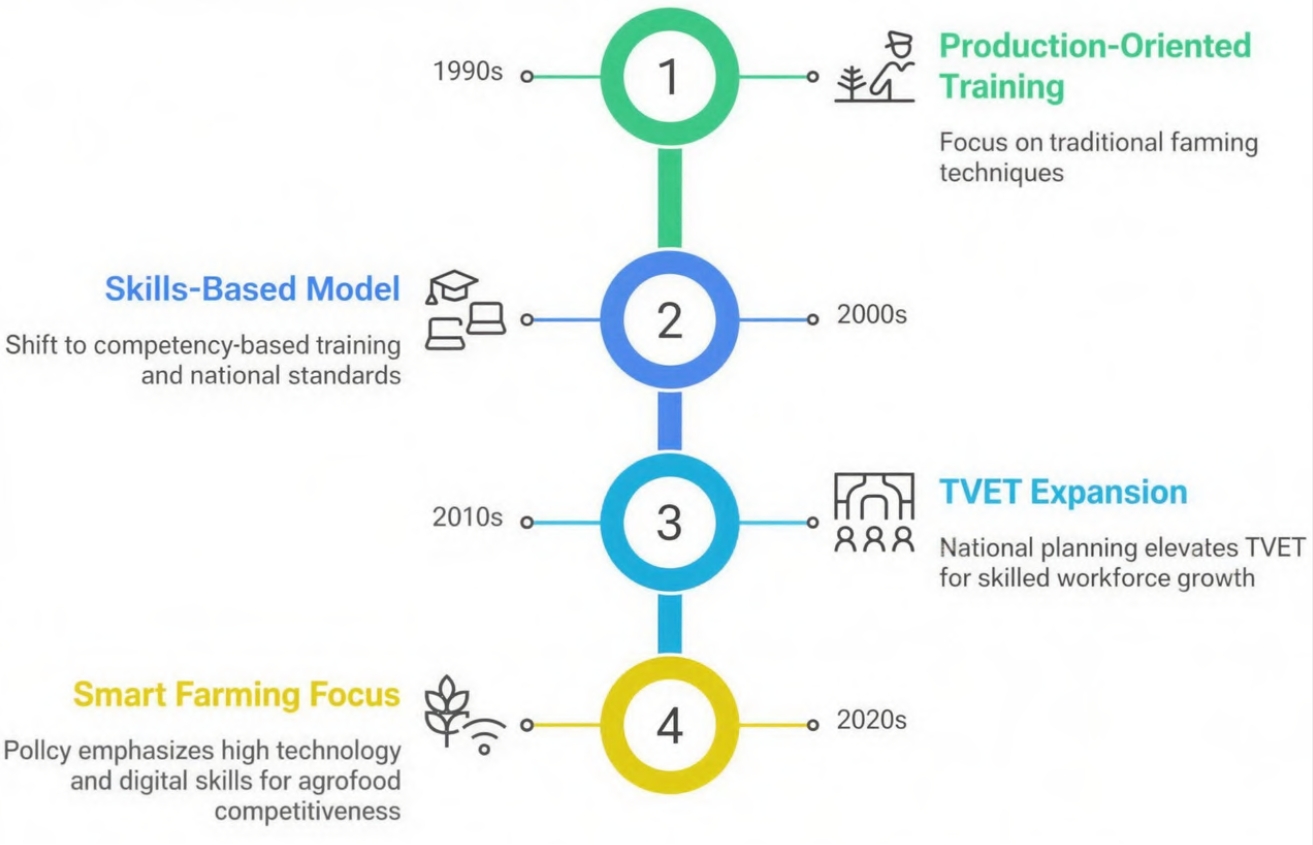
Figure 1: Evolution of Agricultural Education in Malaysia Over the Past Three Decades
Introduction at the School Level (Primary and Secondary)
At the primary and secondary levels, agritechnology is mainly introduced through STEM-oriented curricula, vocational agriculture electives, and school-based practical activities. Rather than being delivered as a standalone subject, agritech-related content is embedded within science, technology, and applied learning modules that emphasise problem-solving and real-world applications. The Malaysia Education Blueprint 2013–2025 explicitly promotes early exposure to STEM and applied technologies, with the aim of building foundational competencies that can support later specialisation within technical and vocational education pathways [3].
National data indicate that approximately 41% of Malaysian secondary students were enrolled in STEM programmes in 2021, while over 17,000 students participated in TVET pathways across vocational colleges in 2022, demonstrating a substantial institutional base for applied and technology-oriented learning at the school level [8][11](Figure 2). In practice, this policy orientation has been operationalised through pilot initiatives such as school greenhouse projects, agricultural demonstration units, and extracurricular innovation programmes supported by local authorities and partner agencies. These initiatives provide students with hands-on experience in areas including basic sensor use, hydroponic systems, and small-scale automation, linking theoretical concepts to observable agricultural processes.
Such early exposure plays an important role in reshaping students' perceptions of agriculture by presenting it as a knowledge-intensive and technology-enabled field, thereby laying the groundwork for sustained interest and progression into agritech-related vocational and tertiary education. Building on this foundational exposure at the school level, agritechnology education is further consolidated and specialised within tertiary institutions and formal technical and vocational education and training pathways.
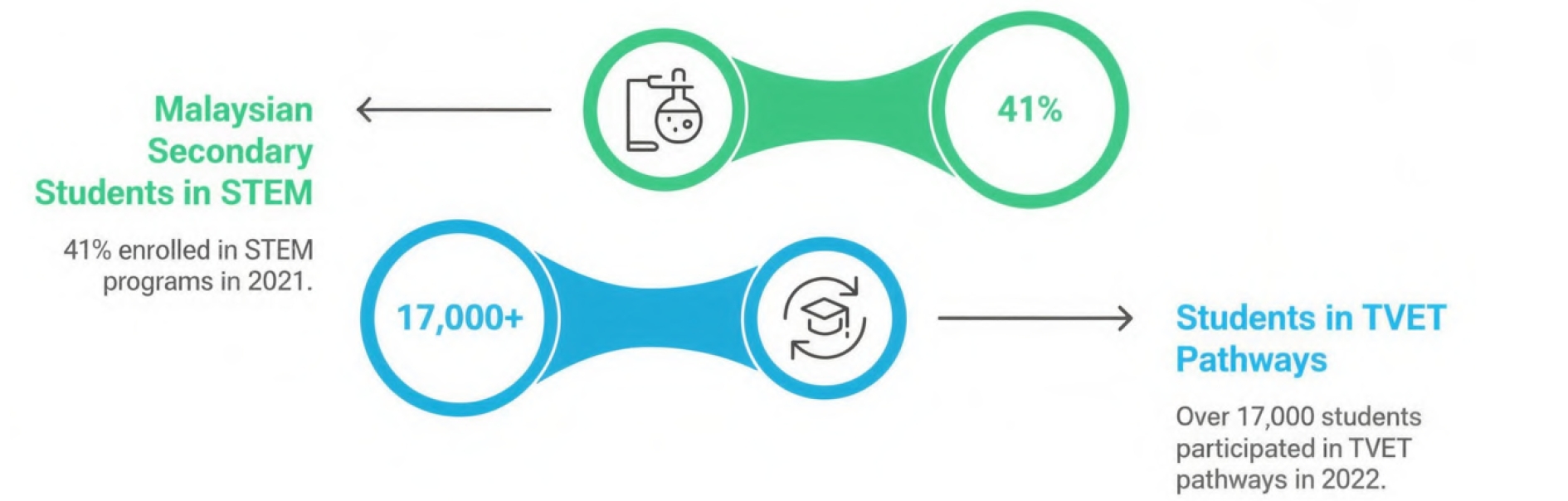
Figure 2: STEM and TVET Participation at the Secondary Education Level in Malaysia
Tertiary Education and Technical and Vocational Education and Training
Universities, polytechnics, and community colleges serve as the principal venues for agritech knowledge dissemination, applied research, and advanced skill development in Malaysia.
At the university level, institutions such as Universiti Putra Malaysia (UPM) offer a range of agriculture- and agritech-related programmes, including a Bachelor of Agricultural and Biosystems Engineering with specialisations in mechanisation, automation, biological systems, and precision farming, which combine engineering principles with agricultural applications, as well as a Bachelor of Science in Smart Agricultural Technology and related agricultural science honours degrees that integrate technology with traditional agricultural disciplines. These programmes aim to produce graduates capable of addressing contemporary challenges in agricultural production, mechanisation, and digital farm management and are fully accredited and embedded with industry-relevant competencies suited to Malaysia's agritech transformation.
Malaysia also has specialised undergraduate offerings such as Bachelor of Applied Science (Agrotechnology) with Honours at institutions like Universiti Malaysia Kelantan, which emphasise applied agricultural technology and industry-oriented skills training. Across these and other public universities, curricula increasingly incorporate components related to sensor technologies, precision irrigation, data analytics, and automation to align with evolving sectoral needs. At the technical and vocational level, polytechnic diplomas and TVET modules aligned with the National Occupational Skills Standards (NOSS) similarly embed technology-oriented competencies to support pathways into agritech careers and reinforce linkages with industry practice.
At the tertiary level, agritech education in Malaysia is supported by a stable and expanding institutional base. According to official higher education statistics released by the Ministry of Higher Education Malaysia, total enrolment in agriculture-related fields increased from 14,083 students in 2022 to 15,147 in 2024, representing an overall growth of approximately 7.6%. Public universities consistently accounted for more than three quarters of total enrolment, while polytechnics and community colleges jointly contributed around one sixth of student participation. This pattern indicates that agritech talent development in Malaysia is characterised by incremental expansion within a structurally stable higher education and TVET system, where universities and vocational institutions play complementary roles [1][12][13](Figure 3, 4).
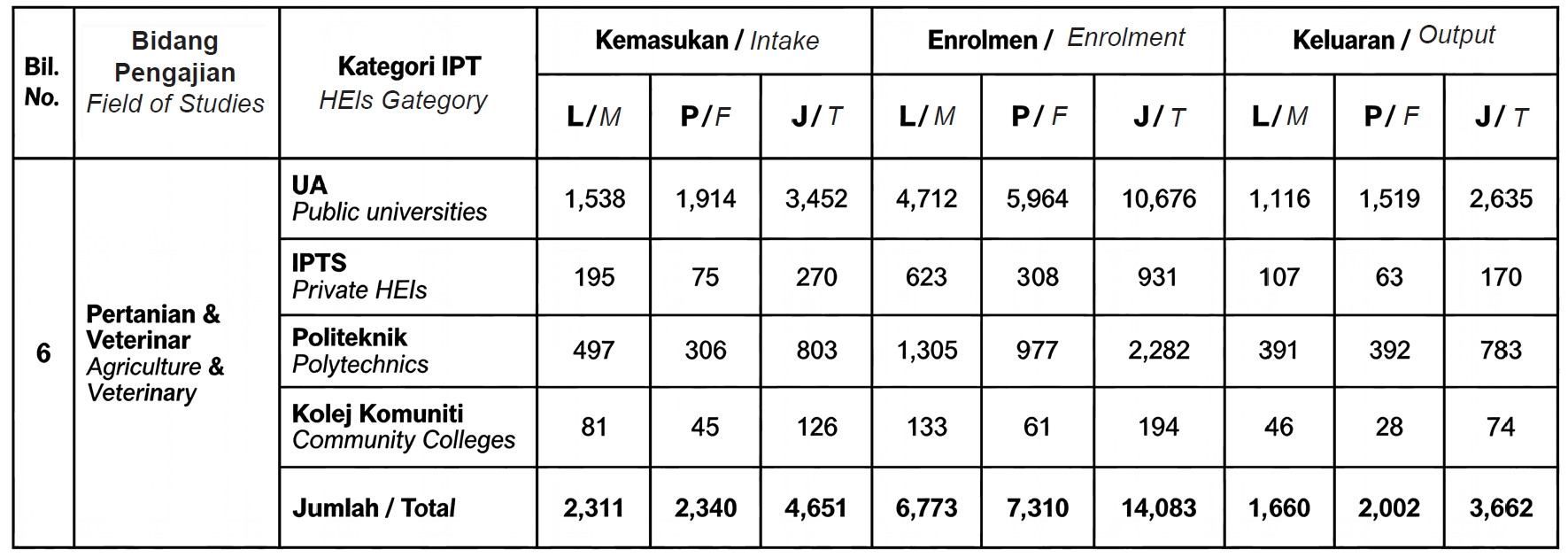
Figure 3: Enrolment in Agriculture-Related Fields Across Malaysian Higher Education Institutions (2022)
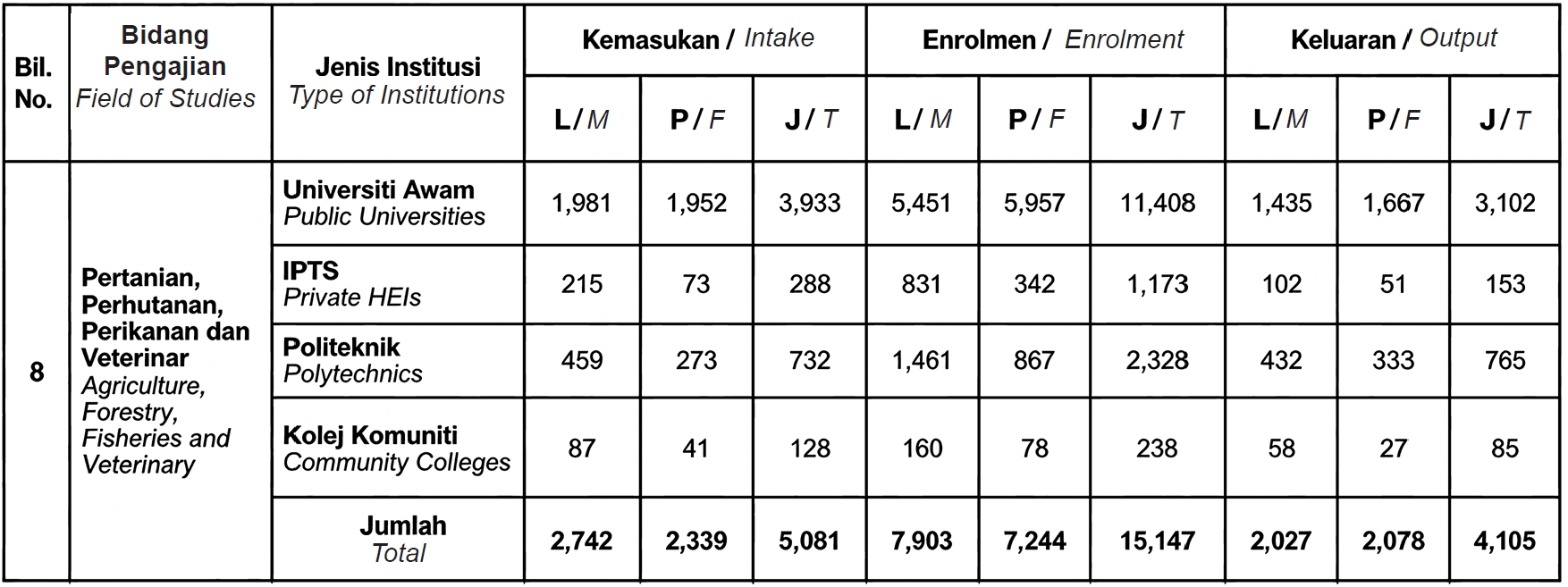
Figure 4: Enrolment in Agriculture-Related Fields Across Malaysian Higher Education Institutions (2024)
Government incentives, Programmes, and Industry Collaborations
Beyond institutional capacity and enrollment trends, the continued expansion of agritech education is closely linked to policy-driven incentives, targeted programmes, and structured collaborations between government, industry, and education providers.

Food Security Carnival on 7 June 2024 at the UPM Grand Hall
Policy Commitments and Funding Orientation
Malaysia's policy commitment to agritech development is clearly articulated in the National Agrofood Policy 2.0 (2021–2030), which prioritises the strategic deployment of technology across the agrofood sector. The policy explicitly identifies capacity building, research and development, and human capital enhancement as core pillars for improving productivity, sustainability, and sectoral competitiveness [10]. In parallel, national budget allocations and ministerial initiatives have increasingly directed resources toward strengthening technical and vocational education and training, with a particular emphasis on industry-relevant skills and applied technological competencies.
These aligned policy and funding orientations create a supportive environment for the integration of agritech within education and training systems. Educational institutions are incentivised to embed technology-oriented agricultural content within curricula, while public agencies are encouraged to invest in demonstration projects, pilot programmes, and extension initiatives that translate policy objectives into practical learning and workforce development opportunities.
Rezeki Tani and Livelihood-Focused Initiatives
Livelihood-oriented programmes such as Programme Rezeki Tani function as policy instruments that link agricultural support with poverty alleviation and basic skills development for low-income households. The programmes provides a combination of livelihood grants, starter kits, and short-term training aimed at enabling beneficiaries to engage in small-scale agricultural and agro-based activities. According to official programme information and implementation guidelines, training components primarily emphasise practical and low-cost production techniques, with selected initiatives incorporating basic agritech elements such as protected cultivation methods, simple greenhouse management, and introductory exposure to basic sensing or monitoring tools [15](Figure 5).
Rather than positioning agritech as an advanced or standalone technological pathway, Rezeki Tani adopts an integrated "skills plus inputs" approach, in which technical training is closely coupled with material support and on-site guidance. This model lowers entry barriers to technology adoption and supports incremental learning among smallholders and marginalised populations. Such livelihood-focused initiatives illustrate how agritech-related competencies can be embedded within broader income generation and social support programmes, complementing formal education and TVET pathways by extending access to applied agricultural technologies beyond institutional settings.
Digital Agricultural Technology Initiatives and Public–Private Platforms
The Malaysia Digital Economy Corporation (MDEC) plays a central coordinating role in advancing digital agriculture through initiatives such as MD AgTech, which aim to accelerate the adoption of technologies including the Internet of Things, artificial intelligence, unmanned aerial systems, and data analytics across the agrofood sector. Implemented in collaboration with public universities, technology start-ups, agribusiness firms, and agricultural extension services, these programmes are designed to bridge innovation, skills development, and industry application [16] (Figure 6).
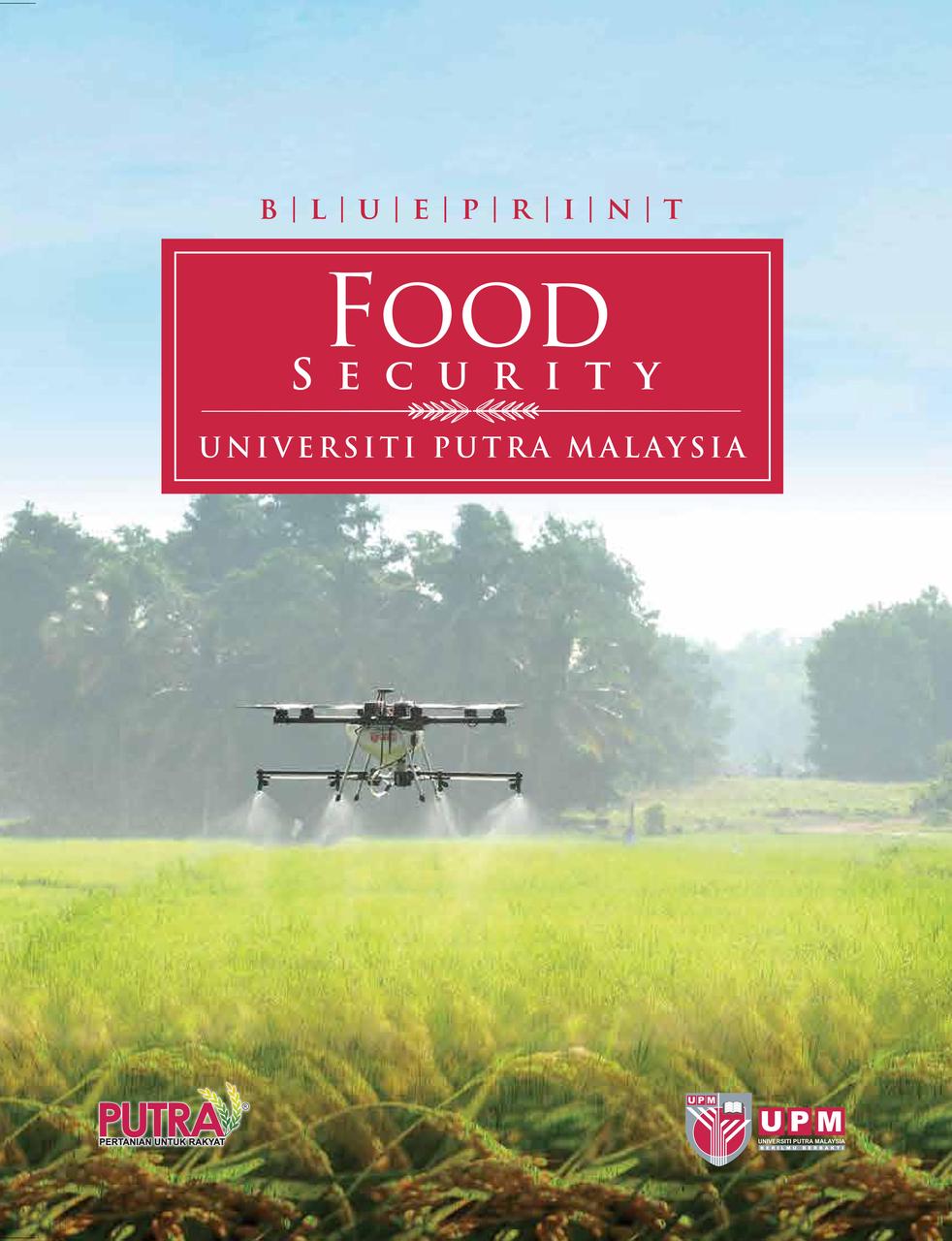
UPM Food Security Blueprint 2024
Through funding for pilot deployments, capacity-building workshops, and the implementation of shared digital platforms, MD AgTech and related initiatives create applied learning environments that support both workforce preparation and technology diffusion. Industry–academia–government testbeds established under these programmes provide students, TVET trainees, and extension agents with exposure to field-scale digital agricultural technologies, while simultaneously offering pathways for graduate employment, entrepreneurship, and lifelong learning. Such public-private platforms illustrate how digital agritech initiatives complement formal education and livelihood-oriented programmes by embedding advanced technological competencies within real-world agricultural systems.
Agritechnology Education for Children and Adults
Beyond institutional structures and policy mechanisms, agritechnology education generates differentiated benefits for learners across the life course, shaping opportunities for both youth and adult populations (Figure 7).
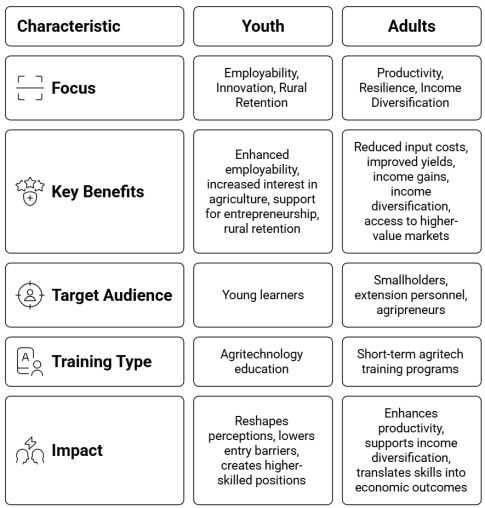
Picture 7: Comparative Benefits of Agritechnology Education for Youth and Adults
Youth: Employability, Innovation, and Rural Retention
Agritechnology education equips young learners with digital, technical, and problem-solving skills that enhance employability across a range of agriculture-related occupations, including agribusiness operations, service-oriented roles such as drone operation and IoT system maintenance, and technology-driven agri-startups [17]. Evidence from Malaysia and comparable contexts suggests that early exposure to technology-enhanced agricultural practices increases young people's interest in agricultural careers by reshaping perceptions of the sector as innovative, knowledge-intensive, and economically viable.
Beyond employability, agritech education also supports youth entrepreneurship by lowering entry barriers to agri-based innovation and enabling graduates to identify value-added opportunities along the agrofood value chain. By creating higher-skilled and better-remunerated technical positions within rural areas, agritech contributes to rural retention and more balanced regional development, reducing the need for outward migration while strengthening local economies.
Adults: Productivity, Resilience, and Income Diversification
For adult learners, including smallholders, extension personnel, and agripreneurs, short-term agritech training programmes play a critical role in enhancing productivity and economic resilience. Technical courses that focus on practical applications such as sensor-based monitoring, precision irrigation, and postharvest handling technologies have been shown to reduce input costs and postharvest losses while improving yields and product quality, thereby contributing to income gains [18][19].
Beyond productivity improvements, agritech education also supports income diversification by enabling adult learners to adopt new production practices, access higher-value markets, and engage in complementary agri-services. Evidence from targeted livelihood and extension programmes suggests that income effects are most pronounced when technology training is combined with initial material support, advisory services, and market linkages, highlighting the importance of integrated training models in translating technical skills into sustainable economic outcomes.
Lifelong Learning Initiatives and the Integration and Evaluation of Agritech
Building on the differentiated benefits of agritech education across the life course, this section examines how government-led lifelong learning frameworks in Malaysia institutionalise agritech learning through formal, non-formal, and informal pathways.

Current Lifelong-learning Frameworks
Malaysia's lifelong learning system is structured around interconnected pathways, encompassing formal routes such as degree programmes and technical and vocational education and training (TVET), non-formal opportunities including short courses and extension-based training, and informal learning through on-farm practice and peer knowledge exchange. This tripartite structure aligns with Malaysia's national commitment to strengthening a lifelong learning culture, as articulated in the Blueprint on Enculturation of Lifelong Learning for Malaysia (2011–2020), which provides a policy road map for coordinating lifelong learning stakeholders and broadening participation across diverse learning modes [20][21].
A key enabling mechanism within this framework is the Malaysian Qualifications Framework (MQF), which functions as a unified post-secondary qualifications system and supports comparability and progression across education and training sectors [22]. Malaysia's AQRF Referencing Report further positions MQF as part of a broader architecture that facilitates mobility and recognition across pathways, including lifelong learning progression between academic and skills sectors [23]. Central to cross-pathway mobility is Recognition of Prior Learning, operationalised in Malaysia through Accreditation of Prior Experiential Learning (APEL) routes, which enable learning acquired through non-formal and informal experiences to be assessed for admission and credit award aligned with MQF levels [24].
Within the agricultural sector, lifelong agritech learning is implemented through a combination of livelihood programmes, public extension services, and university continuing education units, which serve as practical delivery nodes that translate national lifelong learning commitments into skills upgrading opportunities for diverse learner groups.

MTDC and UPM launch plant factory programme to accelerate smart farming
Integration of Agritech: Modalities and Evaluation Approaches
The integration of agritechnology into Malaysia's lifelong learning system can be operationalised through several complementary modalities, each requiring clearly defined evaluation mechanisms to ensure effectiveness, quality, and policy alignment.
Micro-certifications and Stackable Certification Pathways
One key modality involves the use of micro-certifications and stackable certification structures to deliver agritech competencies in a flexible and modular manner. Technical skills such as drone operation, basic sensor installation and maintenance, digital farm monitoring, and precision irrigation management can be organised into short, competency-based learning units with formal assessment components. When aligned with the Malaysian Qualifications Framework and National Occupational Skills Standards, these micro-certifications allow learners to accumulate recognised learning outcomes incrementally while remaining active in the workforce [28].
From an evaluation perspective, the effectiveness of micro-certification pathways is commonly assessed through competency-based assessment results, completion and progression rates, Recognition of Prior Learning uptake, and the successful articulation of micro-certifications into higher-level qualifications. At the system level, monitoring also focuses on participation by working adults and rural learners, as well as employer recognition of micro-certifications as valid indicators of occupational competence. International policy guidance highlights the importance of embedding such evaluation criteria within national TVET and lifelong learning quality assurance frameworks to ensure credibility and portability [30][31].
Mobile Demonstration Laboratories and Regional Training Hubs
A second integration modality is the deployment of mobile agritech demonstration laboratories and regionally based training hubs. Mobile units equipped with scalable and cost-effective technologies, including basic environmental sensors, automated irrigation systems, and digital farm management tools, can be linked to polytechnics, community colleges, and agricultural extension services. This approach addresses geographical and infrastructural constraints by bringing hands-on training directly to underserved rural areas [26].

Evaluation of mobile and regional demonstration models typically combines process and outcome indicators. Process indicators include reach, frequency of deployment, participant profiles, and trainer capacity, while outcome indicators focus on skill acquisition, technology adoption rates, and short-term productivity improvements. Regional hubs complement mobile units by serving as sites for trainer development, curriculum testing, and technology validation. Development partners emphasise that systematic data collection at both learner and community levels is essential to assess whether decentralised training models translate into sustained agritech adoption and livelihood improvements [4][25].
University Industry Short Courses and Professional Development Programmes
A third modality centres on university–industry collaboration in the provision of short courses and continuing professional development programmes in agritechnology. Universities can deliver blended or fully online courses in partnership with agritech firms, start-ups, and industry associations, targeting extension officers, agri-entrepreneurs, and technical personnel. Industry partners contribute current technological practices and market insights, while universities ensure academic oversight, assessment integrity, and credential validation [29].
Evaluation in this modality focuses on labour market relevance and workforce outcomes. Key indicators include employer satisfaction, post-training employment or role advancement, application of skills in workplace settings, and participant retention in continuous learning pathways. In Malaysia, pilot initiatives supported under digital agriculture programmes coordinated by the Malaysia Digital Economy Corporation illustrate how industry-linked training can be assessed through a combination of learner feedback, employer engagement metrics, and follow-up surveys on skills utilisation and career progression [27].

Agritech Education, SDGs, and the Role of UNESCO
Agritech education contributes directly to the achievement of multiple Sustainable Development Goals by linking skills development with inclusive economic and social outcomes. Most immediately, agritech-related training supports SDG 4, through the provision of relevant and skills-based learning that aligns with labour market needs. At the same time, by enhancing productivity, incomes, and access to higher-value employment within agricultural value chains, agritech education advances SDG 1 and SDG 8, particularly in rural and agriculture-dependent communities. Evidence from development-oriented programmes suggests that agritech interventions generate stronger poverty alleviation and employment effects when technical training is combined with market access, continuing advisory support, and institutional linkages, rather than delivered in isolation.
Despite these contributions, systematic monitoring of the development outcomes associated with agritech education remains limited. Many existing programmes lack consistent mechanisms for tracking income changes, employment trajectories, or longer-term livelihood resilience. Strengthening monitoring and evaluation practices, including income tracking, employment follow-up, and alignment with established SDG indicators, would improve accountability and provide more robust evidence of the social and economic impacts of agritech education.
Within this context, UNESCO plays an important facilitative role in supporting the alignment of agritech education with sustainable development objectives through policy guidance, capacity building, and regional coordination. Through specialised entities such as the UNESCO Institute for Lifelong Learning and the UNESCO UNEVOC International Centre, UNESCO supports Malaysia's efforts to strengthen technical and vocational education and training systems, lifelong learning frameworks, and Education for Sustainable Development. UNESCO's normative frameworks and analytical tools provide technical support, comparative insights, and platforms for regional dialogue, enabling national reforms to align agritech education with broader sustainability priorities.
At the regional level, UNESCO also contributes to the coordination and mutual recognition of qualifications across ASEAN, which is increasingly important for mobility, transferability, and recognition of agritech-related skills.
Agritechnology education in Malaysia is at a critical crossroads, characterised by robust policy indicators (NAP 2.0, TVET 2030, Education Blueprint), industry initiatives (MD AgTech), and established lifelong-learning frameworks that foster a conducive ecosystem. For pilots to provide systemic impact, Malaysia requires synchronised standards for micro-certifications, expanded demonstration models, industry–TVET routes, and comprehensive monitoring associated with SDG outcomes. These measures will improve youth employment, facilitate adult upskilling, and aid in poverty alleviation and economic resilience.
References
[1] Pingali, P. (2012). Agricultural transformation. PNAS, 109(31).
[2] Wolfert, S., et al. (2017). Big data in smart farming. Agricultural Systems, 153.
[3] Ministry of Education Malaysia. (2013). Malaysia Education Blueprint 2013–2025. Putrajaya.
[4] Ministry of Agriculture and Food Security. (2021). National Agrofood Policy 2.0 (2021–2030).
[5] Dasar TVET Negara / National TVET Policy 2030. (2023/2024). Ministry of Human Resources / TVET Council.
[6] Arman, E., Mamat, M. Z., & Hasbullah, M. (2016). Agricultural education as a medium for the transmission of Western science during British rule in Malaya, 1905–1957. History of Education, 45(5), 587–601.
[7] Economic Planning Unit (EPU), Prime Minister's Department, Malaysia. (2021). Twelfth Malaysia Plan 2021–2025.
[8] UNESCO-UNEVOC. (2019). World TVET database: Malaysia (Country profile). UNESCO-UNEVOC International Centre for Technical and Vocational Education and Training.
[9] Economic Planning Unit. (2015). Strategy Paper 09: Transforming technical and vocational education and training (TVET). Prime Minister’s Department.
[10] Ministry of Agriculture and Food Industries. (2021). National Agrofood Policy 2021–2030 (NAP 2.0). Government of Malaysia.
[11] Ministry of Education Malaysia. (2022a). Malaysia education blueprint annual report 2022. Ministry of Education Malaysia.
[12] Ministry of Higher Education Malaysia. (2022b). Statistik pendidikan tinggi 2022.
[13] Ministry of Higher Education Malaysia. (2024). Statistik pendidikan tinggi 2024.
[14] It should be noted that the 2024 classification expands the agriculture category to include forestry and fisheries, which may partially contribute to the observed increase.
[15] Program Rezeki Tani. (2025, May 29). Putra. Retrieved January 25, 2026.
[16] Malaysia Digital Economy Corporation. (2024). MD AgTech: Digitalising Malaysia's agriculture sector.
[17] World Bank. (2020). Harvesting Prosperity / Future of Work in Agriculture.
[18] FAO. (2018). Youth and Agriculture; Digital agriculture reports. FAO publications (2018–2022).
[19] OECD. (2021). Innovation, productivity and sustainability in food and agriculture.
[20] Ministry of Higher Education Malaysia. (2011). Blueprint on enculturation of lifelong learning for Malaysia 2011–2020. UNESCO Institute for Lifelong Learning. Retrieved January 25, 2026.
[21] UNESCO Institute for Lifelong Learning. (2023, May 25). Malaysia: Blueprint on enculturation of lifelong learning for Malaysia (2011–2020) issued in 2011. Retrieved January 25, 2026.
[22] Malaysian Qualifications Agency. (2025, November 19). Malaysian Qualifications Framework (MQF) 2nd edition. Retrieved January 25, 2026.
[23] Malaysian Qualifications Agency. (2019). AQRF referencing report of Malaysia (2019). Retrieved January 25, 2026.
[24] Malaysian Qualifications Agency. (2016). Guidelines to good practices: Accreditation of prior experiential learning for credit award (APEL.C). Retrieved January 25, 2026.
[25] Asian Development Bank. (2021). Education and skills development in ASEAN.
[26] Food and Agriculture Organization. (2022). Digital agriculture and rural transformation.
[27] Malaysia Digital Economy Corporation. (2023). MD AgTech programme overview.
[28] Ministry of Human Resources. (2023). National Occupational Skills Standards and TVET reform initiatives.
[29] OECD. (2021b). Adult learning and skills development.
[30] UNESCO Institute for Lifelong Learning. (2021). Micro-credentials and lifelong learning.
[31] UNESCO-UNEVOC. (2020). Innovating TVET for digital transformation.
-
Normala Binti IsmailAthorSenior LecturerDepartment of Science & Technical Education, Faculty of Educational StudiesUniversiti Putra Malaysia
-
Habibah Ab JalilAthorProfessorDepartment of Science & Technical EducationFaculty of Educational Studies, Universiti Putra Malaysia.Head, Innovative Learning Sciences Research Centre of Excellence (INNOVATE), Universiti Putra Malaysia
-
Tai ZhangAthorPhD Student ( Educational Technology)Department of Science & Technical Education, Faculty of Educational StudiesUniversiti Putra Malaysia
- The Evolution of Agritechnology Education in Malaysia: Lifelong Learning Pathways, Government Support, Linkages to SDGs
- Learning Across Boundaries: Designing IIOE AI + Cross-Border E-Commerce Micro-Certification Course
- Insights from IIOE's Industry-Oriented Learning Initiatives
- When Trade Begins to Think: New Possibilities in Emerging Markets
- Growth is Here: Are Skills Ready?
- Digital Intelligence, Talent as the Bridge: Opening a More Inclusive Future for Global Digital Trade