Growth is Here: Are Skills Ready?

When the first steam engine roared to life in a factory at the end of the 18th century, few could have foreseen how profoundly it would transform the world. Originally designed to pump water from mines and power textile looms, this machine inadvertently reshaped urban landscapes, redefined the rhythms of work, and altered humanity's understanding of growth. A century later, electrification repeated the pattern. Artificial lighting extended working hours, assembly lines revolutionised production methods, new industries emerged, and traditional jobs gradually faded away. Each major technological breakthrough has etched itself into history in a similar manner: while creating greater productivity, it has also compelled societies to reconfigure skills and redistribute opportunities.
Economist Joseph Schumpeter termed this process "creative destruction." In his view, technological progress periodically supersedes existing industries and practices, redirecting capital and labour toward activities of higher productivity. While such shifts foster long-term growth, they often inflict short-term disruptions upon workers and enterprises of the era. In 2025, the Nobel Prize in Economics was awarded to Joel Mokyr, Philippe Aghion, and Peter Howitt [1], reflecting the continuation and deepening of this intellectual tradition: growth arises from the process through which innovation is absorbed by society, diffused, and consistently transformed into productive forces.

2025 Nobel Prize In Economic Sciences, Source: THE NOBEL PRIZE
Unlike the eras of steam or electricity, the creative destruction we face today is seldom ignited by any single, isolated technology. The impact of artificial intelligence stems, rather, from how deeply it integrates with the familiar fabric of our world: algorithms embedded within platforms, data threading through supply chains, automation permeating what may seem like ordinary decision-making and service delivery. The locus of competition has consequently shifted from merely possessing the technology to determining who can translate that technology into genuine capability sooner and more effectively.
The narrative of a new wave of growth is unfolding, yet its entry tickets are not automatically distributed. While artificial intelligence dominates every major conversation, with fervent discussions on its capabilities and efficiency, we seldom pause to ask: Who truly possesses the capacity to engage in this round of value creation? In the digital age, what determines one's eligibility to participate is often not the technology itself, but rather the ability of education systems to transform that technology into skills that can be learned, transferred, and sustained over time. This is precisely the question that warrants deeper reflection when considering future growth, employment, and equity.
New Growth: A Tech-Driven Shift in Trade
The World Economic Forum indicates that, despite tariff adjustments and other trade disruptions, global trade as a whole has remained resilient, growing at an annual rate of approximately 2.5% (slightly outpacing GDP growth) [2]. The current wave of technological transformation, propelled by AI, is directly reshaping how transactions occur, how enterprises access markets, and how individuals participate in economic activity. Innovation unfolds not only in laboratories and on production lines but also propagates rapidl, through platforms, logistics networks, and digital infrastructures, into commercial practices across the globe.
Cross-border e-commerce stands as one of the most visible manifestations of this shift. It has long evolved beyond the mere flow of goods on virtual shelves, transforming into a holistic system encompassing consumer insight, intelligent recommendation, inventory management, and cross-border fulfilment. Digital services, too, no longer remain confined to the screen; they are now deeply embedded in every stage, from design and production to after-sales support.
In the Global North, this manifests more as an intelligent enhancement of existing advantages. E-commerce platforms like Shopify in North America leverage AI algorithms—through features such as intelligent product selection and dynamic pricing—to help small and medium-sized enterprises (SMEs) identify overseas demand more swiftly and reduce trial-and-error costs. Industry studies estimate that such tools can increase cross-border sales revenue for SMEs by up to threefold and boost average order value by half [3]. By leveraging long-accumulated platform capabilities, technological infrastructure, and brand networks, economies in the North continue to shape the rules, standards, and ecosystems of digital trade.

Shopify Magic AI-assisted Website
Simultaneously, emerging markets are demonstrating notable dynamism. The Global Trade Update report of January 2026 highlights that South-South cooperation is driving global export growth, with 57% of developing economies' exports flowing to fellow developing markets, predominantly through Asian-led regional value chains [4]. In the Middle East, logistics enterprises are accelerating the development of international express delivery and smart logistics networks, gradually transforming regional hubs into crucial nodes connecting Asia, Europe, and Africa. As the speed of goods movement increases, cross-border transactions are becoming a more routine part of commerce. In Africa, change is often initiated through payments. From East to West Africa, a range of mobile payment platforms are filling the gaps left by traditional financial services. The Global Financial Prosperity Barometer notes that Africa is currently the only region where the usage rate of mobile payments surpasses that of traditional banking systems [5]. This strengthening payment infrastructure is fueling the expansion of the e-commerce market, with projections indicating its size will grow from 55 billion in 2024 to 112.73 billion by 2029—a 105% increase over five years [6]. Within this growth, demand for digital products is particularly vibrant, ranking among the fastest-growing categories. In Latin America, Brazil and Mexico have emerged as key regional markets, collectively accounting for over 60% of the region's cross-border e-commerce share and contributing more than $110 billion in e-commerce retail revenue [7].
Together, these dynamics underscore that cross-border e-commerce is becoming a tangible pathway for emerging markets to participate in the global economy.
Skills: Responding to Industry Challenges
Artificial intelligence and digital trade are creating opportunities while simultaneously redefining the terms of participation. This raises a direct and pressing question: Is education prepared for this shift? The answer is concerning. While the number of graduates worldwide continues to rise, businesses consistently face the enduring challenge of recruiting talent equipped with adequate digital skills.
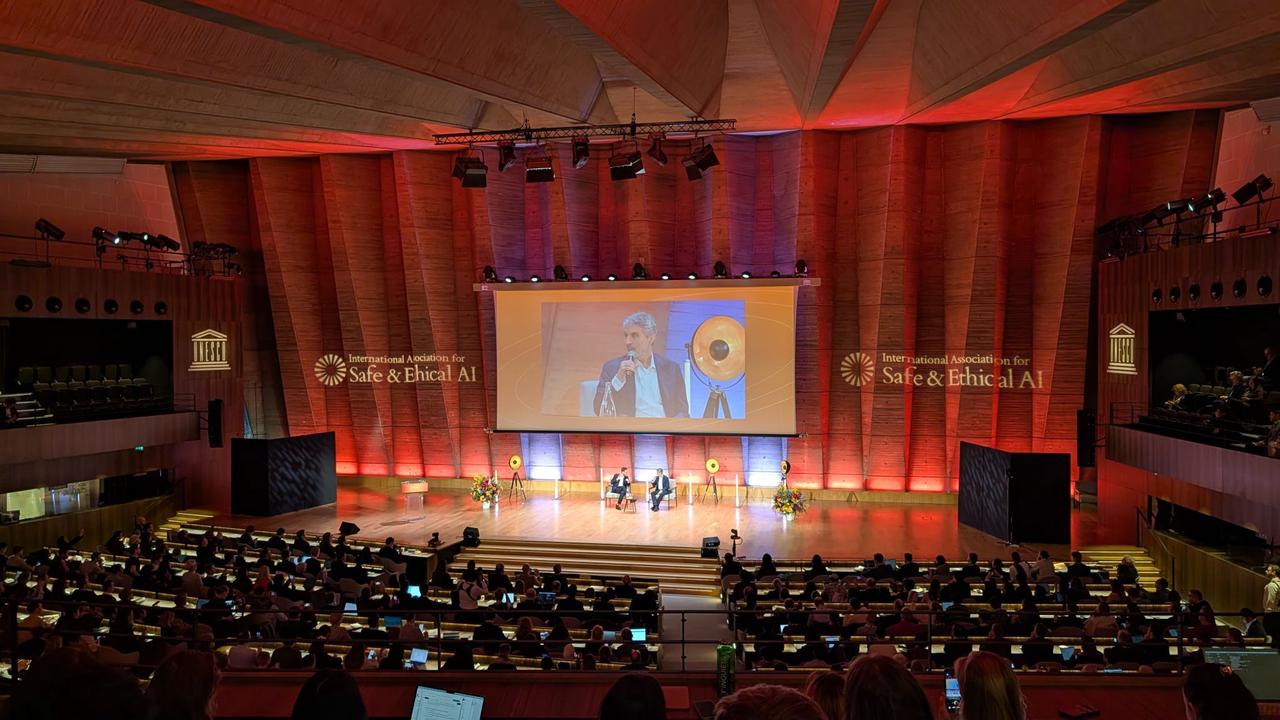
The 2nd Conference of the International Association for Safe and Ethical Artificial Intelligence Source: UNESCO
Indeed, the mismatch between supply and demand in the job market reveals a pronounced skills gap. The operational logic of cross-border e-commerce now extends to every link—data analysis, cross-cultural customer support, compliance management, and intellectual-property protection. The same holds true for digital-service exports. Yet conventional, single-discipline-driven curricula are often ill-equipped to cultivate the kind of integrated, commercially-savvy competence that the sector demands. Perhaps the core issue, then, is not whether universities teach enough, but whether they are still responding to a structurally transformed industry with knowledge systems of the past.
In the era of AI prosperity, skills extend beyond merely using tools. They now encompass the ability to exercise judgment within algorithmic environments and to collaborate effectively with them.

© UNESCO
The feedback mechanism between education and industry remains insufficient. Emerging needs from business practice struggle to enter the classroom in a timely manner, and students rarely gain opportunities to train in authentic commercial environments during their studies, leaving them with few immediately applicable skills. For enterprises, this not only raises recruitment costs but also implies a protracted waiting period before new talent can begin to deliver value.
A deeper challenge stems from the digital divide. For institutions with limited resources, ambitions such as establishing digital laboratories, acquiring cutting-edge software, or hiring instructors with industry experience are often constrained by practical realities. While some classrooms are already delving deeply into AI-driven supply-chain optimisation, other students may still be engaging with a previous generation of technology. Beyond the gap in equipment, this represents a form of "cognitive generational gap" that risks becoming entrenched. If not addressed in a timely manner, it may well solidify into a persistent disparity in opportunities to participate in the digital era—one that could widen over time.
UNESCO has long been attentive to the structural impacts of digital technologies on education, employment, and social equity, regarding the narrowing of the digital divide and the enhancement of workforce skills as critical public priorities in the AI era. In response to widespread digital skills gaps, UNESCO has promoted initiatives such as the Global Skills Academy (GSA) and the Future Skills Platform, supporting individuals in developing digital literacy, entrepreneurial competencies, and green skills to help diverse groups prepare for the future of work. Additionally, UNESCO has launched the Global Skills Tracker, which provides in‑depth analysis of skills landscapes across multiple dimensions, including country, industry, and occupation.

GSA held a high-level workshop at Machakos University in Nairobi, to build out the expansion of its transformative Digital and AI Skills Programme. (Source: UNESCO)
Turning Resources into Capabilities
Cross-border e-commerce, as one of the engines driving global trade growth, inherently functions as an efficient channel for the flow of knowledge.
Challenges have emerged, yet responses are far from unattainable. Over the past decade, leading platform enterprises and advanced economies have accumulated a set of proven practices through their engagement in digital trade. From platform technology and data tools to supply chain collaboration and talent cultivation, these elements together form a relatively mature digital commercial ecosystem. As illustrated in the Cross-Border E-Commerce Practice Case Studies (2025) released by the World Internet Conference in Shenzhen [8], platforms can share their accumulated expertise, enabling a broader range of market participants to benefit. Take the e-commerce platform SHEIN as an example: through its "proprietary brand + platform" model, the digital supply chain experience and global market insights once confined within the company have gradually been made accessible to merchants across multiple industrial clusters domestically. These best practices themselves outline a competency profile for talent development, offering a concrete reference point.

An Honest Conversation on AI and Humanity Session
From these practices, we can now discern the competency profile of a composite talent, which is often described as a "T-shaped" structure: a vertical pillar formed by solid digital technical skills, such as data analysis and platform operation, coupled with a horizontal breadth that extends outward to connect with an understanding of the global business environment, including market insight and cross-cultural communication. It is precisely this combination of specialised depth and industry-wide breadth that constitutes the competitiveness of talent in the digital-intelligence era.
When the industry's demand for competencies grows more urgent, and the experience and resources for reference indeed exist, the central question becomes how to transform these resources into accessible capabilities for a broader population. It is in this sense that education plays a decisive role: it helps learners construct their competency frameworks and determines who can truly enter the industrial field and sustain their relevance amid continuous change. This is because, alongside long-accumulated knowledge systems, we equally require a more flexible, inclusive, and future-oriented skills system—one that enables individuals to continually learn, adapt, and participate in creation within an ever-evolving environment. Hence, advancing "reskilling" training for those entering or re-entering the labour market has become essential.
Cultivating digital-intelligence talent is becoming a pivotal lever connecting educational equity, economic development, and inclusive growth—core objectives of sustainable development.
It is first reflected in youth employment. As traditional industrial jobs decline and white-collar roles become automated, conventional career paths are narrowing. The global youth unemployment rate rose to 12.4% in 2025, with approximately 260 million young people classified as "NEET" (Not in Education, Employment, or Training) [9]—a trend driven in part by the rapid evolution of industry skill demands. At the same time, new economic models centred on digital trade are rapidly emerging, creating a wide range of novel and flexible job opportunities. Whether as independent entrepreneurs in cross-border e-commerce, digital marketing specialists, or project coordinators in software service outsourcing, these roles rely less on upfront capital and more on the ability to learn quickly, apply digital tools, and solve real-world problems. This opens a new pathway for young people, women, and marginalised groups to participate directly in the global market by mastering relevant skills—often bypassing traditional career ladders. Higher education institutions (HEIs) can help convert young people's existing digital experience into sustainable livelihood capabilities and developmental capital by providing targeted skills training, industry certifications, and entrepreneurship support.
Equally important is advancing South-South and North-South cooperation to accelerate the integration of the Global South into the digital era. By collaborating with enterprises to develop practical curricula, provide technical consulting, and cultivate talent with applied capabilities, we can help SMEs in Global South countries leverage digital platforms to access global markets. This goes beyond commercial success. It strengthens endogenous drivers of growth through skill localisation. Technological expertise and systemic experience from the Global North can flow southward, while innovative practices emerging locally in the Global South, such as social commerce and mobile payment systems, can contribute diverse models. This kind of two-way interaction and sharing lies at the heart of bridging the digital divide and achieving inclusive growth.
Ultimately, it's about preventing new forms of exclusion, particularly the risk of "skills obsolescence. " By introducing high-quality curricula, micro-certifications, and teacher-development programmes into resource-constrained regions, we bridge not only gaps in educational infrastructure but also lay a more equal and solid foundation for every individual's development.
These considerations underpin the recent launch of the "AI + Industry" micro-certifications courses by the International Institute of Online Education (IIOE), which include the "AI + Cross-Border E-Commerce" series. The initiative aims to develop learners' capacities for judgment, action, and adaptation in real-world commercial environments. The related explorations and practices will be presented in this issue of CLOUD.
References:
[1] Nobel Foundation, "Nobel Prize Outreach 2026, " Nobel.org, Jan. 2026.
[2] Aparna Bharadwaj&Kasey Maggard, "The future of global trade? Introducing the trade patchwork model, " World Economic forum, Jan. 2026.
[3] Shopify, "AI Statistics for 2026: Top Ecommerce Trends, " Shopify, Sep. 2025.
[4] UN trade&development, "Global Trade Update (January 2026): Top trends redefining global trade in 2026, " UN trade&development, Jan. 2026.
[5] Li Jiabao, "Africa's E-commerce Accelerates Development (Global Hot Topics), " People's Daily Overseas Edition, Aug. 2024.
[6] The Economic and Commercial Office of the Embassy of the People's Republic of China in the Republic of Cameroon, "Africa's E-commerce Market Size to Double in Five Years, Reaching $113 Billion, " Ministry of Commerce of the People's Republic of China, Nov. 2024.
[7] Hugo Cross-border Editorial Department, "Latin American E-commerce 2025: Brazil + Mexico Control 2/3 of the Market Share! Chile and Peru Become New Gold Mines, " Hugo Cross-border, May 2025.
[8] World Internet Conference, "Cross-border E-commerce Practice Case Studies (2025), " WIC, Sep. 2025.
[9] International Labor Organization, "Employment and Social Trends 2026, " ILO, 2026
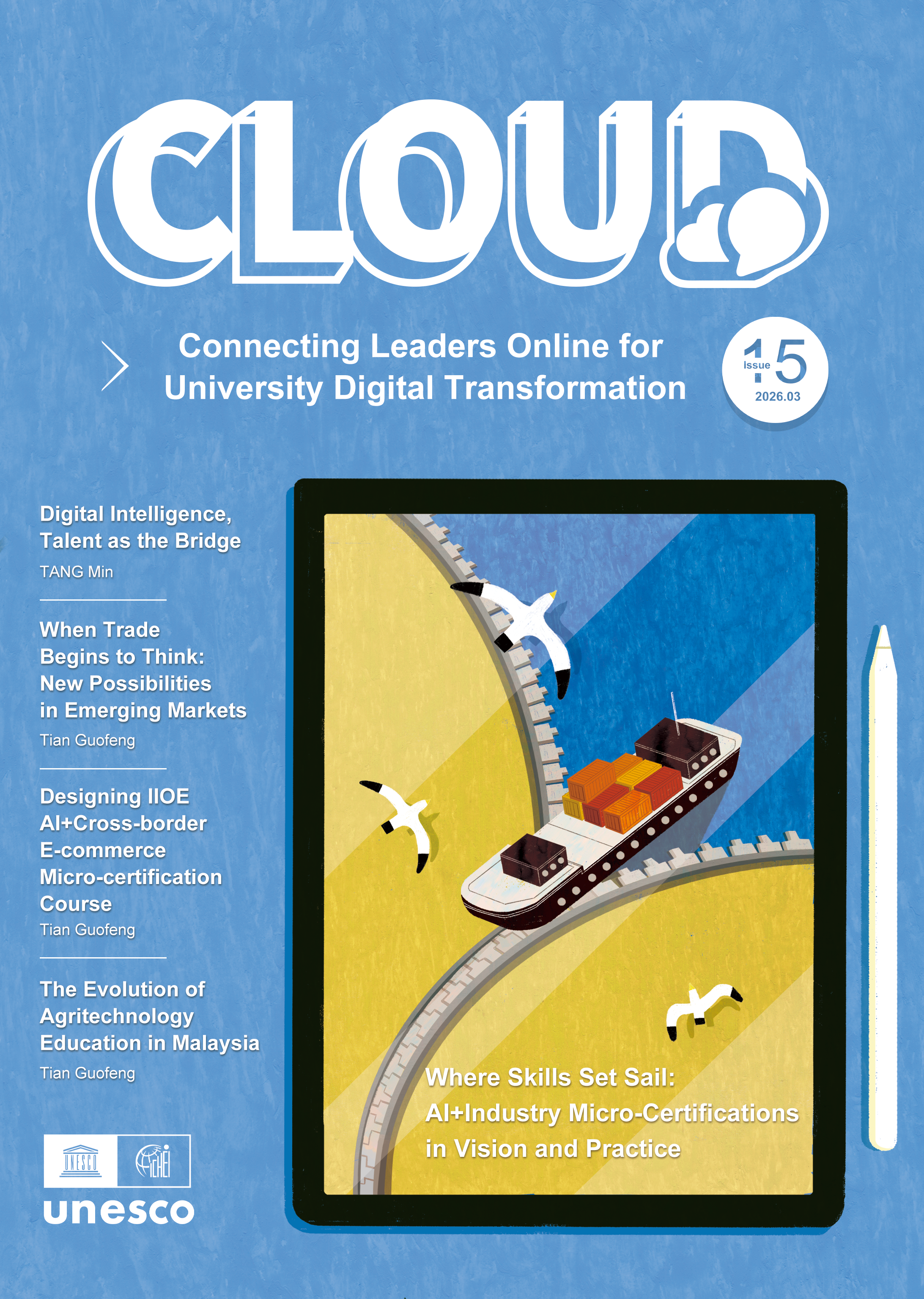
- The Evolution of Agritechnology Education in Malaysia: Lifelong Learning Pathways, Government Support, Linkages to SDGs
- Learning Across Boundaries: Designing IIOE AI + Cross-Border E-Commerce Micro-Certification Course
- Insights from IIOE's Industry-Oriented Learning Initiatives
- When Trade Begins to Think: New Possibilities in Emerging Markets
- Growth is Here: Are Skills Ready?
- Digital Intelligence, Talent as the Bridge: Opening a More Inclusive Future for Global Digital Trade